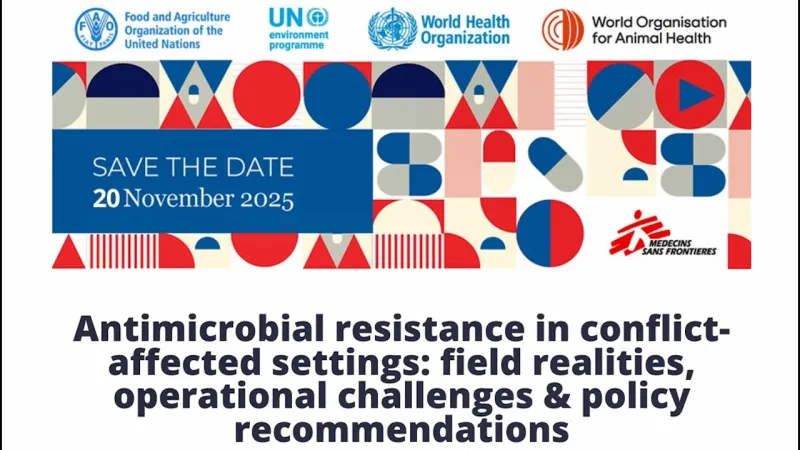


Antimicrobial resistance: a global public health concern
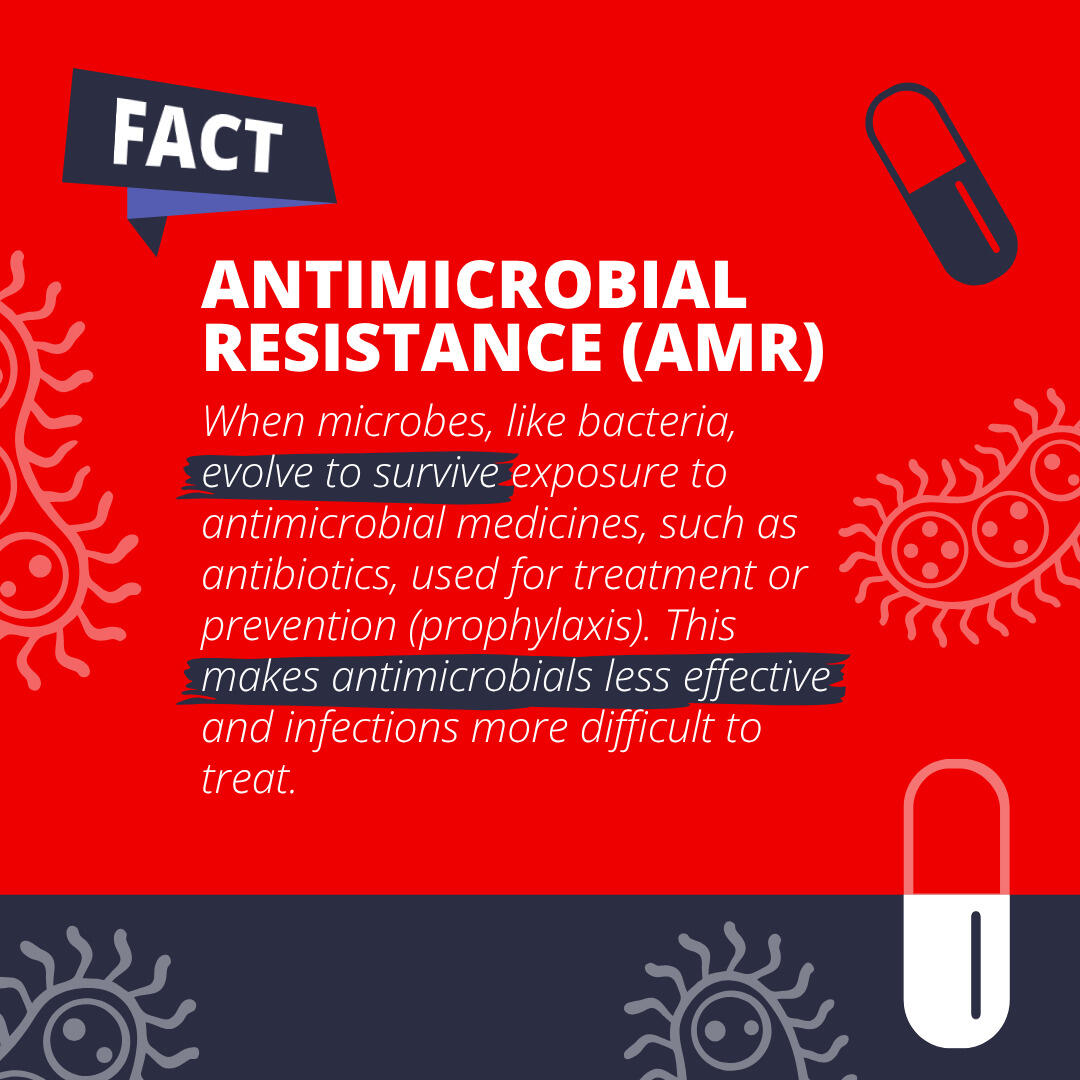
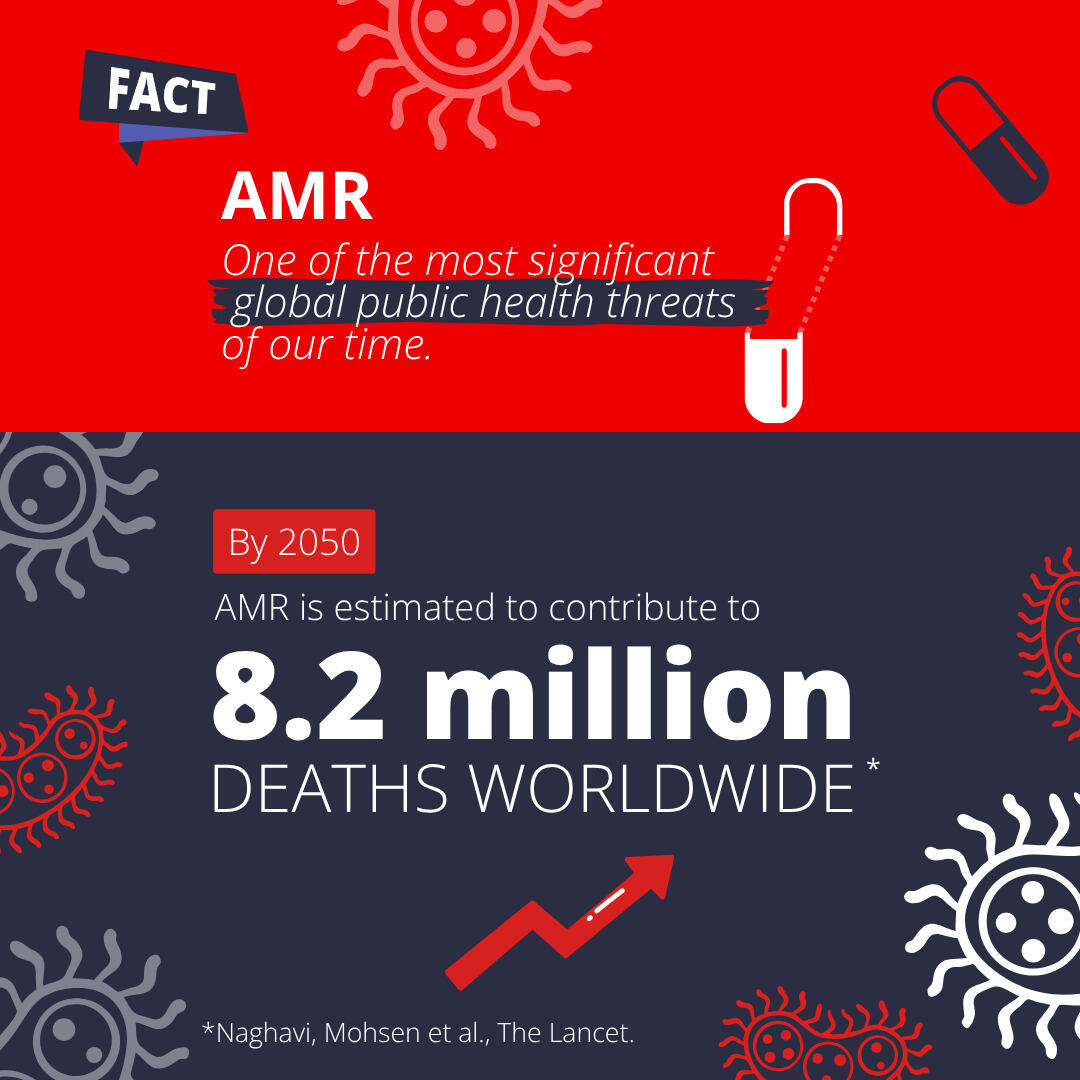
Antimicrobials are medicines (e.g., antibiotics and antifungals) used to prevent and treat infections caused by bacteria, viruses, and fungi. Over time, microbes adapt and become resistant to medicines. This natural phenomenon, known as antimicrobial resistance (AMR), is making infections harder or impossible to prevent and treat, increasing the risk of severe illness, disease spread and death. An escalating challenge to global public health, bacterial AMR directly caused an estimated 1.14 million deaths in 2021 alone, making it one of the leading causes of death worldwide; by 2050, it is projected to be associated with approximately 8.2 million deaths annually.
Our work: Addressing antimicrobial resistance
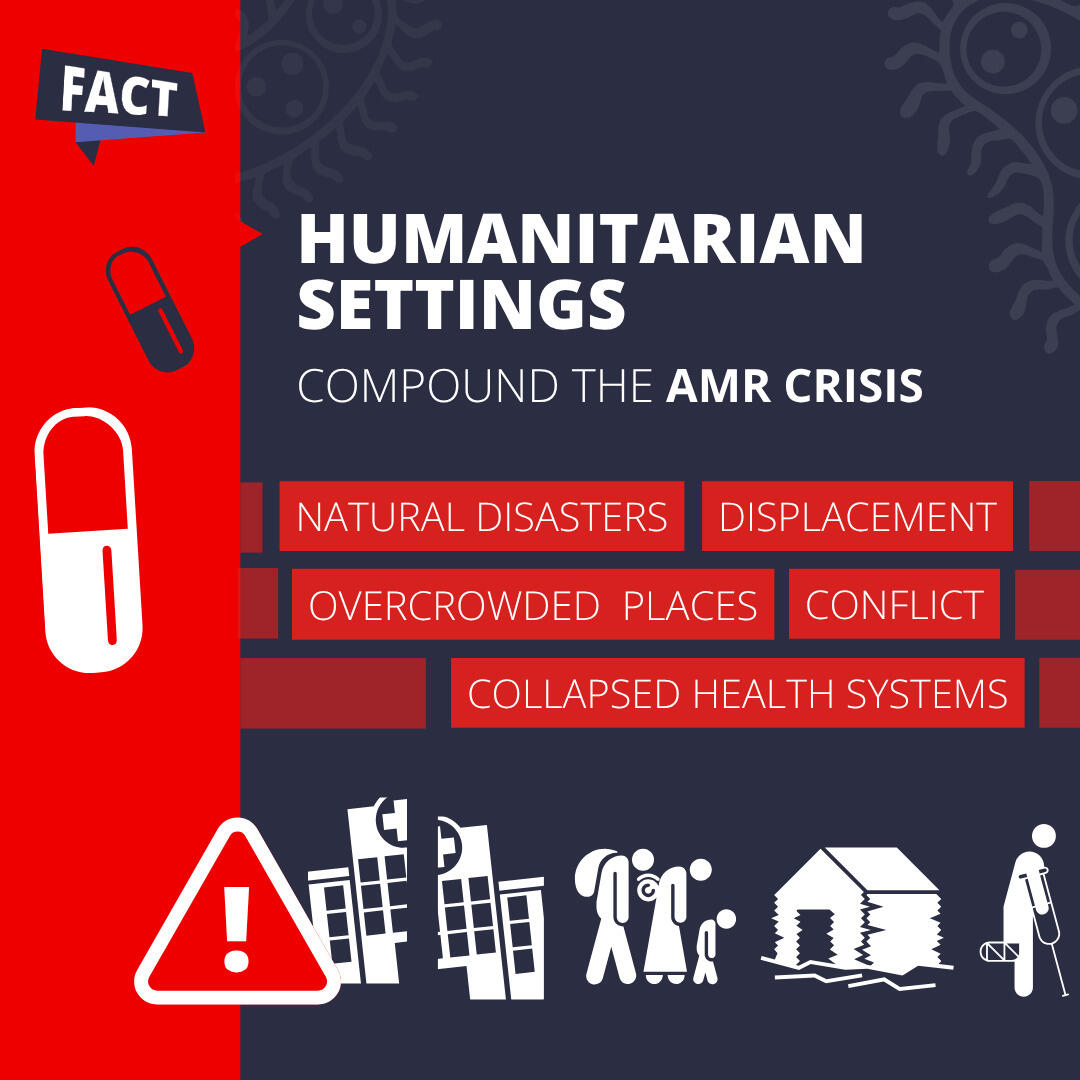
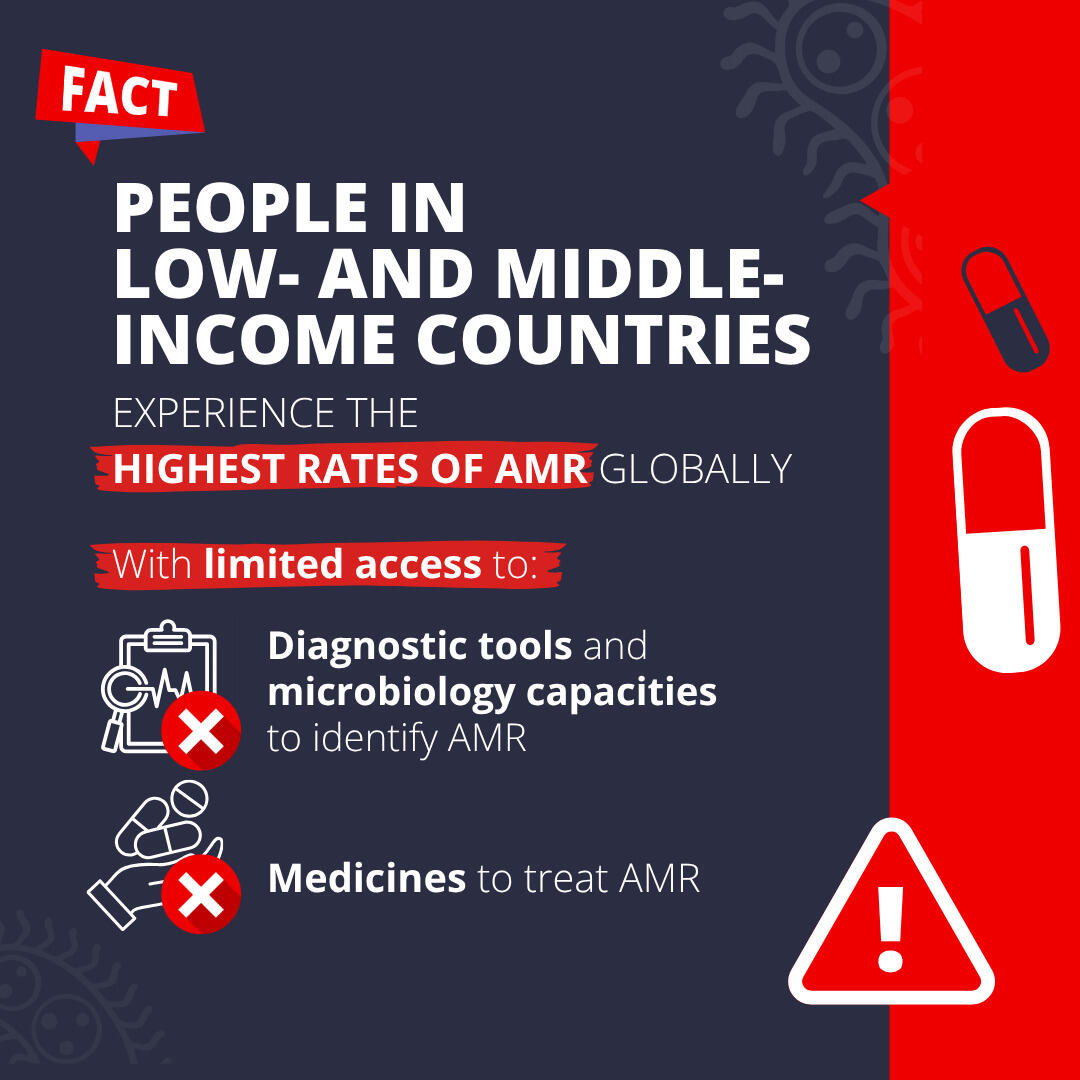
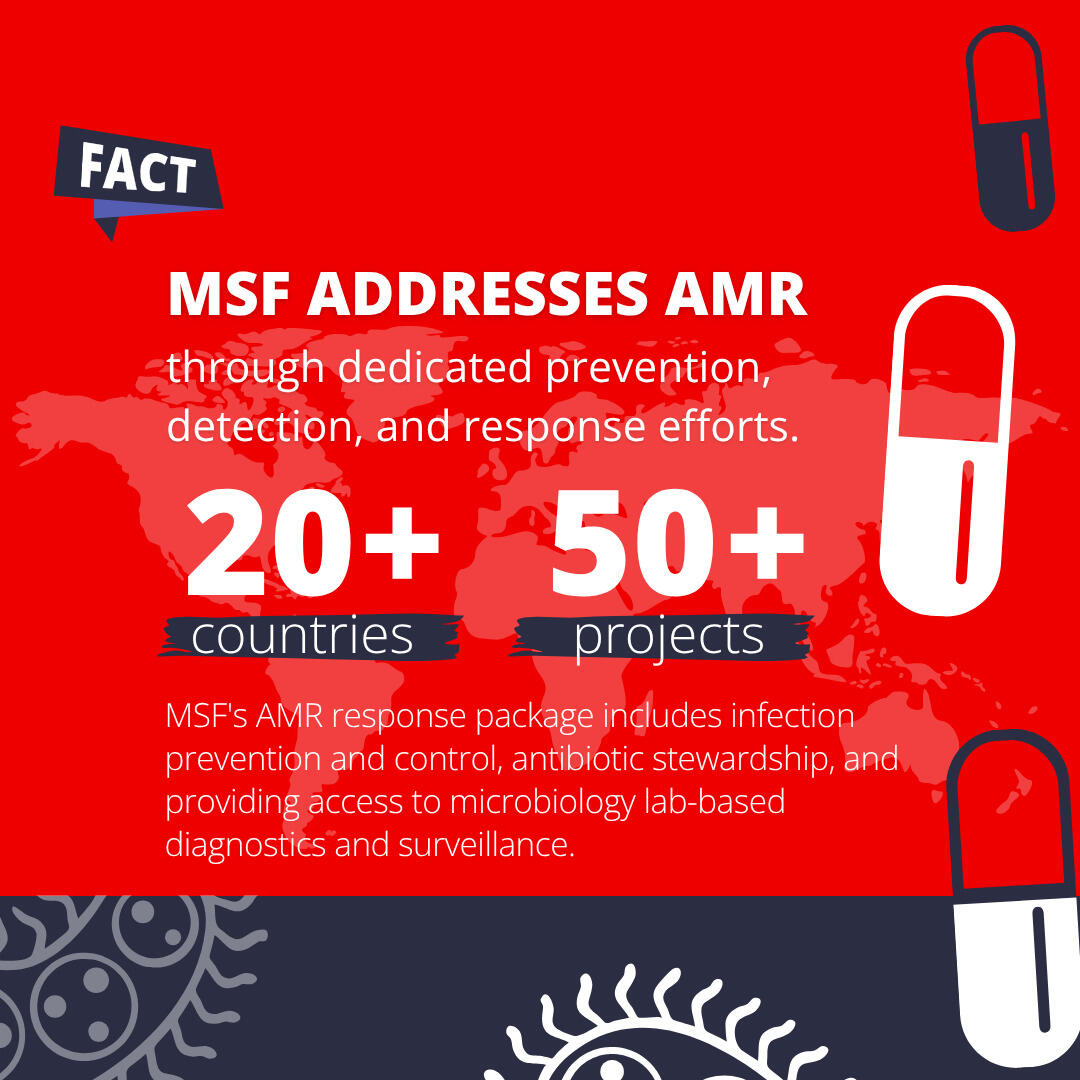
MSF addresses AMR daily through dedicated projects across more than 20 countries, primarily in low-resource, fragile and conflict-affected settings where the risk of bacterial drug-resistant infections is highest due to factors like overstretched healthcare systems, medical facility closures, supply chain breakdowns, reduced laboratory capacity and healthcare worker shortages – all of which contribute to limiting access to and availability of healthcare, medical tools and treatments.
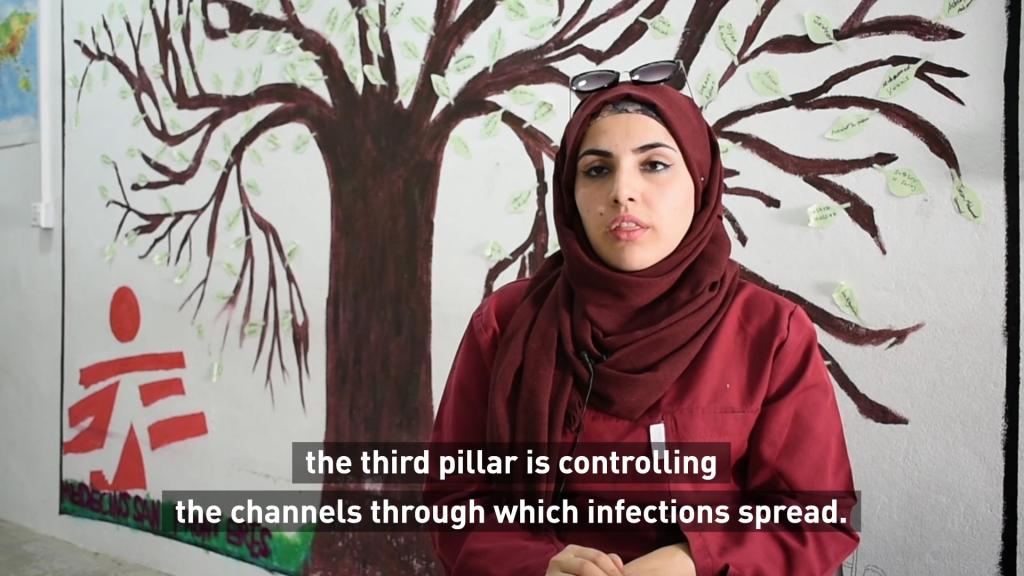
MSF applies a multidisciplinary approach anchored in three core pillars, aiming to improve patient safety, treatment outcomes and surveillance through:
- Infection Prevention and Control (IPC), practical, evidence-based measures used in healthcare settings to prevent infections and limit their spread among patients, health workers and the environment, including hand hygiene, cleaning and disinfection, and transmission-based precautions.
- Antimicrobial stewardship (AMS), promoting the appropriate use of antimicrobials, ensuring the right drug, dose, route and duration to improve patient outcomes while slowing the emergence of resistance. In humanitarian and low-resource settings, stewardship is relevant not only for reducing inappropriate antibiotics use but also for supporting safe clinical decision-making where diagnostics, infection prevention measures and treatment options are often limited.
- Microbiology and surveillance, improving access to laboratory-based diagnostics to identify the pathogens causing an infection and their resistance patterns, to help clinicians determine the most appropriate treatment.
These efforts are supported by clinical guidance, health promotion, capacity building, and operational research, as well as innovation such as Mini-Lab and Antibiogo, which expand access to bacteriology and antibiotic susceptibility testing in resource-limited settings.
And, as one of the few actors systematically addressing AMR in crisis-affected settings, MSF also generates essential evidence from under-represented contexts to inform patient care and global responses.
MSF Access: Beyond medical implementation, grounded in operational experience
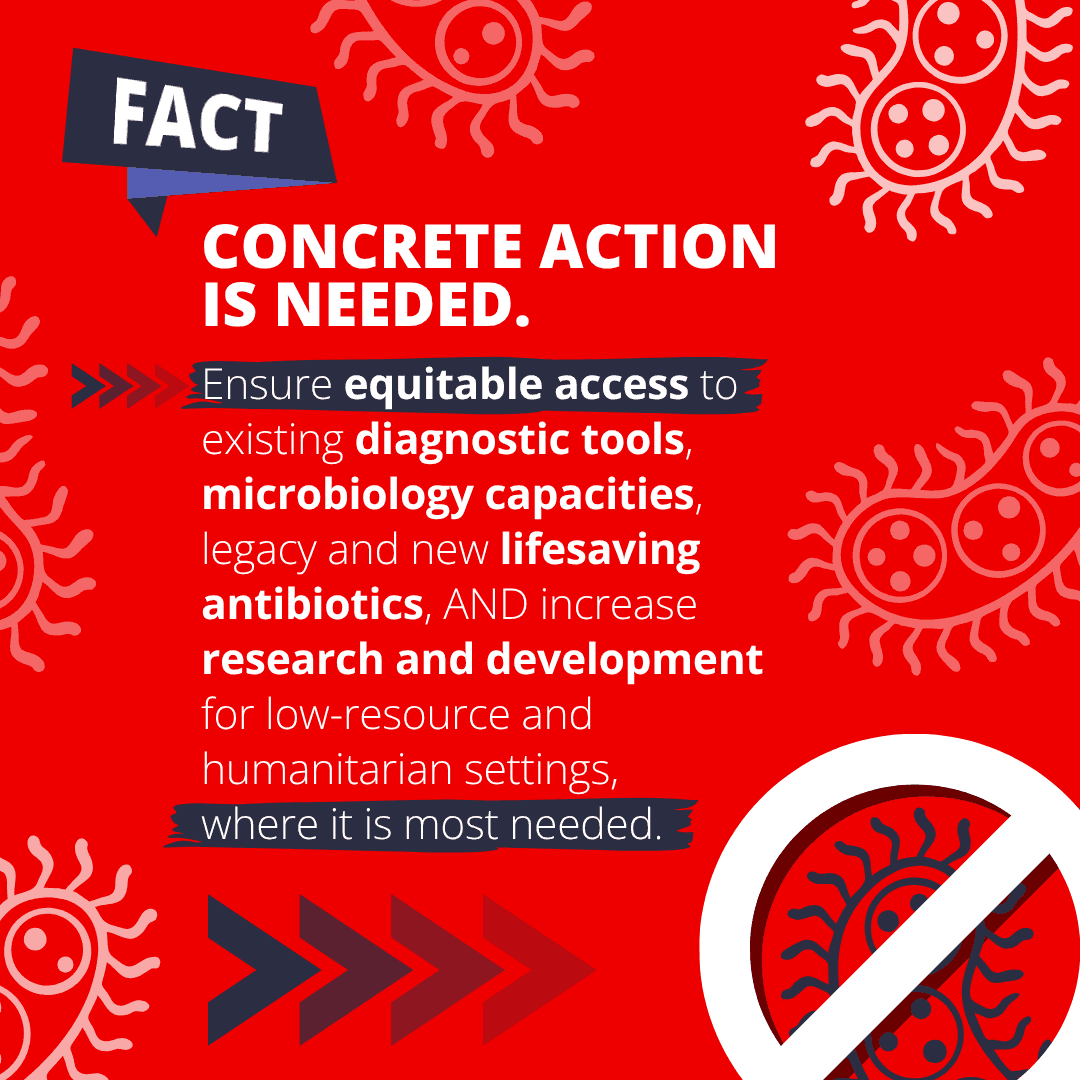
We advocate for equitable and affordable access to antibiotics, strengthened diagnostic capacity, needs-driven research and development, and improved governance approaches to ensure sustainable responses to AMR.
In general, AMR governance and financing is facing major gaps between commitments and implementation. This is both on the global level, where little concrete action has been taken to translate the 2024 United Nations Political Declaration on antimicrobial resistance into meaningful progress, and on the national level where, despite most countries having National Action Plans (NAPs) to address AMR, few are funded, monitored or operationalised. As such, MSF Access is calling for the concrete and sustainably financed implementation of NAPs, including equitable access to diagnostics and microbiology services; reliable supply of older essential antibiotics, many of which are increasingly affected by shortages and market fragility; and public-health-needs-driven development, introduction and responsible stewardship of new antibiotics.
Responding to antimicrobial resistance in conflict-affected settings: the case of Gaza
The impact of AMR is particularly acute in fragile and conflict-affected settings, where inadequate access to diagnostics and appropriate antimicrobials leads to more patients carrying resistant pathogens, making Infection Prevention and Control measures harder to sustain and creating conditions in which these organisms can spread rapidly. MSF is often the only humanitarian actor addressing AMR in these settings, with Ministries of Health increasingly seeking collaboration and support. Scaling up the response to AMR in conflict-settings demands adaptability, innovation and, most importantly, collective action.
In the early acute stage of the war [in Gaza], there was a surge of injured cases. Facilities designed for 250–300 patients per day were seeing 700, leading to extreme overcrowding.
Alaa Abed, MSF Infection Prevention and Control supervisor in Gaza, has worked across multiple facilities since 2022. Her account, shared in November 2025, reveals how a functioning Infection Prevention and Control system collapsed overnight and why basic measures matter in addressing antimicrobial, especially during crises.
“Due to the overwhelming number of cases, all infected patients were housed in one tent, regardless of pathogens or required precautions. Examination beds could not be cleaned between patients, and wound care was often performed on a shared trolley.
“Later, we witnessed a complete breakdown of health and water infrastructure. In more stable times, we outsourced laundry to a nearby industrial facility. That facility was damaged in the first week of war and reaching it became impossible. Waste management also collapsed.
It became clear later that even the basic [Infection Prevention and Control] measures we took improved the situation.
“[That’s why] we need to start considering Infection Prevention and Control a priority, especially during crises and conflicts, and adapt programmes to suit these contexts. It is also important to expand access to quality, reliable microbiology, ensure the uninterrupted supply of critical medical and hygiene materials, and invest in restoring fundamental infrastructure, including clean water, sanitation, and waste management systems, which are essential for preventing the spread of pathogens.”
Abed's frontline experience informed the key takeaways and conclusions shared by MSF Access to governments, humanitarian stakeholders, international organisations, academia, civil society, and resource partners in our March 2026 report: "Antimicrobial Resistance in Conflict-Affected Settings: Field Realities, Operational Challenges & Policy Insights"
Infographics: things to know about AMR
 MSF
MSF
 MSF
MSF
 MSF
MSF
 MSF
MSF
 MSF
MSF
 MSF
MSF
How MSF is responding to drug-resistant infections







Take a closer look