
Every day and in over 70 countries, Médecins Sans Frontières witnesses an urgent need for improved access to lifesaving medical tools for the prevention and treatment of non-communicable diseases (NDCs).
MSF is witnessing critically insufficient access to:
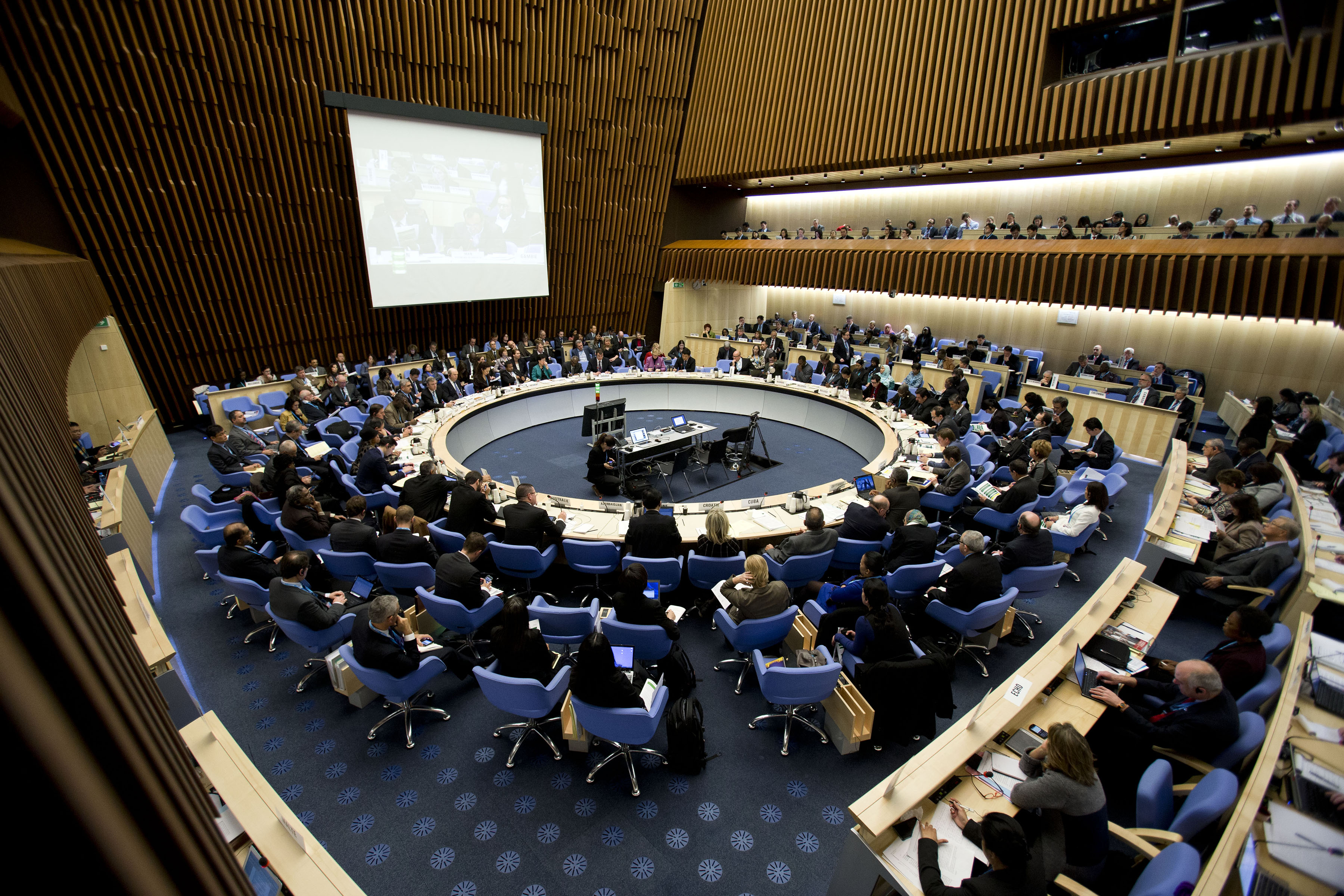 UN Photo/Christopher Black
- Effective HPV vaccination and HPV screening high-performance tests to prevent cervical cancer, as well as the qualitative chemotherapy drugs and radiotherapy required for treatment.
- Oral and long-acting injectable antipsychotics for people with mental health conditions; and
- Affordable treatments, delivery and monitoring tools for people with type 1 and 2 diabetes and hypertension.
MSF calls on WHO to:
- Support initiatives to increase vaccination and screening of HPV, and ensure access to treatments;
- Ensure access to affordable oral and long-acting injectable medicines for psychosis, supported by clinical guidance; and
- Address the unequal standard of diabetes and hypertension care between high-income countries and low- and middle-income countries by improving access to insulin and glucose monitoring tools globally and ensuring equitable access to type 2 diabetes medications.
